אם החלטתם לצבוע את הדירה שלכם באופן עצמאי, להלן מספר טיפים ישימים אשר יסייעו לכם להשיג את המטרה ולעשות זאת בצורה הטובה האפשרית:
בצעו הכנות מקדימות לקירות
המפתח לצביעה איכותית ונכונה של הקירות מתחילה בהכנה של הקירות לצורך המטרה.
ההכנות אמורות לכלול את הפעולות הבאות: הסרת התמונות, המסמרים ופירוק השקעים מהקירות, מילוי של החורים והסדקים בקיר ושיוף הקיר.
הפעולות הללו מהוות תנאי מקדים חשוב להצלחת הצביעה.
הגנה על הרהיטים
בכדי למנוע מצבים בהם נלכלך עם הצבע את הרהיטים או נפגע בחפצי ערך אחרים בבית, חשוב לדאוג לכסות אותם בניילונים – ובמידה וקיימת אפשרות כזאת, גם לרכז אותם הרחק מהקירות – מה שיפחית את הסיכויים להיווצרות כתמי צבע על גביהם.
בחירת ציוד הצביעה המתאים
ציוד איכותי יהווה מפתח חשוב נוסף להצלחת הצביעה, כאשר חשוב לרכוש מברשות איכותיות, רולרים ומוט הארכה לרולר – אשר יאפשר לכם להגיע בצורה קלה לאזורים גבוהים ולפינות מרוחקות.
כדאי להצטייד בדלי אשר יאפשר לבצע את ערבוב הצבע ויקל על פעולת הצביעה.
כמובן, שגם מבחינת הצבעים, חשוב לא להקל ראש בבחירה ולהקפיד על צבעי קיר איכותיים ועמידים.
עובדים לפי הסדר
ברוב המקרים, סדר הצביעה הנכון, יתחיל עם שימוש במברשת קטנה לצורך צביעת הפינות וסביב המשקופים.
את שאר הקיר ניתן לצבוע באמצעות רולר – ועל ידי כך להקל ולייעל את פעולת הצביעה.
לאחר שסיימתם את השכבה הראשונה, יש להמתין עד שהצבע התייבש ולעבור לשכבה הבאה.
הקפדה על שימוש נכון ברולר
אחד הדברים שחשוב להימנע מהם בעת צביעה עצמאית של הקירות, הם אותם פסים אשר נוצרים כתוצאה ממריחה לא אחידה של הצבע על גבי הקירות.
חשוב לצבוע מלמעלה למטרה, יש להקפיד לטבול את הרולר בצבע לעיתים קרובות ולוודא שהוא רטוב לאורך כל הליך הצביעה – פעולות אלו יכולות למנוע את היווצרות הפסים המדוברים. .
צביעה עצמאית של קירות הבית היא אומנם פעולה לא פשוטה, אך אם תיישמו את הטיפים ותשקיעו במלאכה, תוכלו בסופו של דבר ליהנות מתוצאה איכותית וטובה – כפי שאתם בוודאי מצפים לקבל.
להזמנת מומחים בצביעה בקרו באתר פיינטנט בכתובת https://www.paintnet.co.il

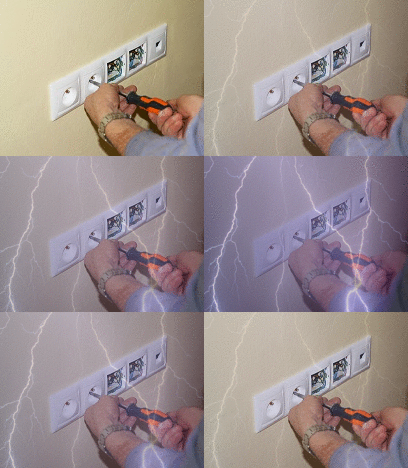 רמת גן הינה עיר מרכזית במרכז גוש דן, לכן היתרון פה הוא של הצרכן שכן יש הרבה חשמלאים באזור רמת גן. גם חשמלאים אשר נמצאים לרוב בערים הסמוכות


 פירוק רכבים הוא פעולה נפוצה שנעשית ברכבים ישנים או ברכבים שעברו תאונות קשות. המטרה של פירוק רכבים היא להפיק את מירב ה